A brightening serum is a skincare product designed to reduce dullness and even out pigmentation see more. It typically contains concentrated actives that target radiance and skin tone, making it a popular choice for daily routines.
How it works for the skin
For many people, the brightening serum works by inhibiting pigment production, boosting collagen, and supporting skin cell turnover, which can lead to a brighter, more even complexion.
Key ingredients to look for
When choosing a formula, look for ingredients like vitamin C, niacinamide, azelaic acid, and licorice extract, which are common in a brightening serum.
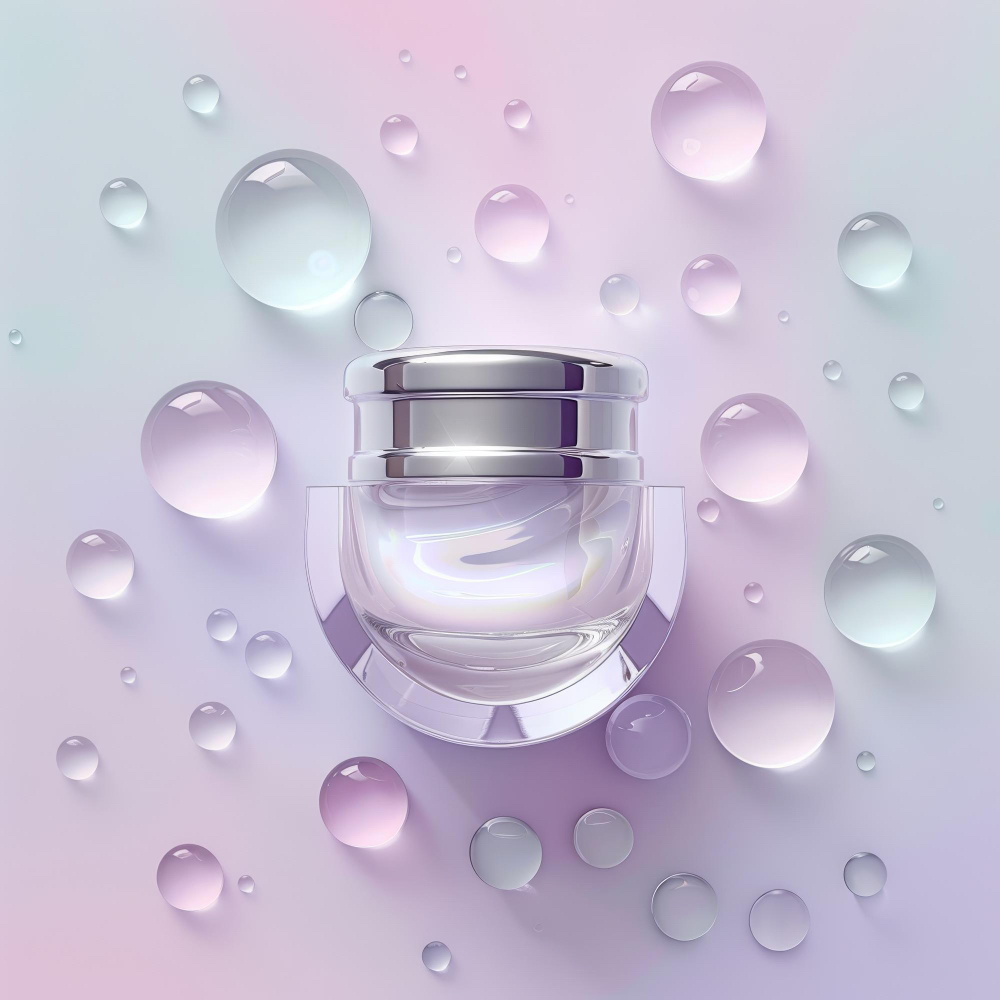
How to apply for best results
How you apply matters: cleanse, apply the brightening serum on a clean, dry face, wait a moment for it to absorb, and then layer a moisturizer and sunscreen.
Who can benefit from it
Over time, regular use of a brightening serum can help diminish dark spots and dullness, but results vary with skin type, sun exposure, and consistency.
brightening serum
What is this product?
A brightening serum is a skincare product designed to target uneven tone, dark spots, and dullness. Used consistently, it can help even out skin tone over time when paired with sunscreen.
How it works
This is how a brightening serum helps even out skin tone and reduce pigment buildup. Active ingredients in the formula penetrate the upper layers of the skin to influence pigment production and support cellular turnover.
Key ingredients to look for in a serum
Vitamin C (ascorbic acid)
In a brightening serum, vitamin C helps stabilize pigment and support collagen. It also provides antioxidant protection and can brighten the complexion over time.
Niacinamide
In a brightening serum, niacinamide supports barrier health and reduces discoloration. It is generally well tolerated and pairs well with moisturizers.
Licorice root extract
In a brightening serum, licorice extract can help suppress tyrosinase activity and fade dark spots. It is often used alongside other active ingredients to enhance brightness while minimizing irritation.
How to use
Apply a few drops after cleansing and toner, then follow with moisturizer and sunscreen in the daytime. Start with patch testing if you have sensitive skin and gradually increase usage as tolerated.
Choosing and safety tips
Look for stabilized forms of the active ingredients, appropriate concentrations, and dermatologically tested formulas. If you have concerns, consult a dermatologist for personalized advice.
– What is a brightening serum and why it matters – A lightweight treatment designed to target uneven skin tone, dullness, and dark spots by delivering active ingredients directly to the skin. – It often prefers a clear gel or watery base to layer under moisturizers and sunscreen. – How a brightening serum works – Inhibits melanin production to reduce existing hyperpigmentation. – Provides antioxidant protection to guard against environmental stress. – Supports a more even skin tone and brighter overall appearance. – Works best when used consistently over several weeks. – Core ingredients to look for – Vitamin C (ascorbic acid): brightens, even tone, and provides antioxidant benefits. – Niacinamide: reduces redness, improves barrier function, and helps with blotchiness. – Alpha arbutin or tranexamic acid: specifically targets dark spots with lower irritation risk. – Kojic acid: helps fade spots but should be used carefully to minimize irritation. – Fermented acids or licorice extract: provide additional gentle brightening and calming effects. – How to use a brightening serum – Start with clean, dry skin; apply 1 pump or a thin layer to targeted areas or entire face. – Follow with moisturizer, then sunscreen in the morning. – Use consistently for 6–12 weeks to see noticeable improvements; adjust frequency if irritation occurs. – Patch test new formulas on a small area for 24–48 hours. – Tips for choosing the right serum – Skin type matters: hydrating serums suit dry skin; water-based formulas suit oily or combination skin. – Check pH and concentration: vitamin C around 10–20% is common; other actives vary by formulation. – Packaging matters: opaque or dark glass bottles with a pump or dropper keep actives stable. – Fragrance and sensitive skin: options labeled fragrance-free may reduce irritation. – Safety and usage reminders – Always use sunscreen during daytime, as brightening actives can increase sun sensitivity. – Avoid layering too many potent actives at once; introduce new products gradually. – If irritation or redness persists, scale back frequency or consult a dermatologist. – Common questions in brief – Can I use a brightening serum with retinoids? Yes, but introduce slowly and monitor irritation; consider alternating nights. – Is it safe during pregnancy? Check specific ingredients with a clinician; some actives may have restrictions. – How long until results appear? Most people notice subtle improvements after 4–6 weeks, with more visible changes by 8–12 weeks. – Keywords – brightening serum, vitamin C, niacinamide, kojic acid, alpha arbutin
brightening serum
A brightening serum is a lightweight skincare product designed to help even skin tone, reduce dullness, and enhance radiance. By delivering active ingredients directly to the skin, serums can concentrate on problem areas without feeling heavy.
Unlike heavier creams, brightening serums are usually water-based and fast-absorbing, making them suitable for layering under moisturizers and sunscreen.
What is a brightening serum?
A brightening serum is formulated with potent ingredients that target uneven pigmentation, dark spots, and overall brightness. It is typically applied after cleansing and before moisturizer, and it works best when used consistently over weeks.
How does it work?
Most brightening serums use antioxidants and depigmenting agents to inhibit melanin production, promote collagen health, and speed up cell turnover. The result can be a more even complexion, reduced appearance of dark spots, and a healthier glow. Results vary by ingredient, concentration, skin type, and regimen.
Key ingredients to look for
Vitamin C (ascorbic acid) helps brighten skin and support collagen, often used at stabilized percentages to minimize irritation. Niacinamide assists with barrier support and can reduce redness while contributing to a brighter look. Licorice root extract and its active glabridin can help inhibit pigment formation. Arbutin, kojic acid, or related derivatives are commonly used depigmenting agents to address dark spots. Look for formulations with stable packaging to protect these actives from light and air.
How to use a brightening serum
Start with clean skin. Apply a few drops to the face and neck, patting gently until absorbed. Follow with a moisturizer and broad-spectrum sunscreen in the daytime, as many brightening actives can increase photosensitivity. Begin with every other day or once daily, then increase frequency as tolerated. If irritation occurs, reduce usage or switch to a lower concentration or fragrance-free formula.
Choosing the right product
Consider your skin type and sensitivity, the concentration and stability of the active ingredients, and how the formula is packaged. Fragrance-free options are preferable for sensitive skin. If you are using other actives (retinoids, acids), check for compatibility and start slowly to minimize irritation. A product with antioxidant protection and a stable delivery system can help maximize efficacy over time.
Safety and tips
Patch test any new serum on a small area for 24 to 48 hours before full face use. Always pair brightening serums with sunscreen during the day to prevent new spots from forming and to protect against UV damage. If you are pregnant or nursing, consult a dermatologist before using certain ingredients such as kojic acid or higher concentrations of depigmenting agents.
